Copper pipes are built to last decades — but they don’t last forever. Whether it’s corrosion, pinhole leaks, or failing joints, copper plumbing eventually needs professional attention.
The good news: catching problems early and using proper repair techniques can extend the life of your plumbing system and prevent costly water damage.
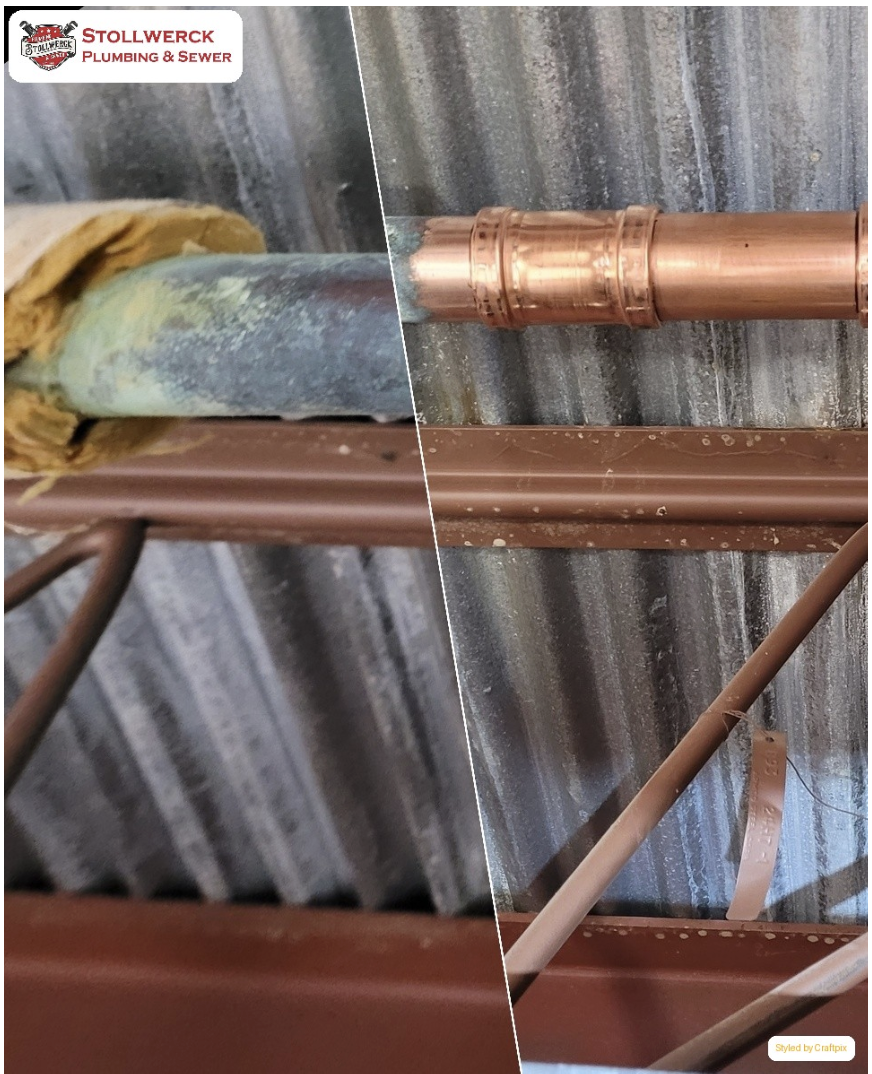
We recently completed copper pipe work for South Snohomish County Fire & Rescue — addressing corroded piping and restoring a clean, reliable water line for the station. It’s a good example of how proper diagnosis and quality materials make the difference between a lasting fix and a temporary patch.
Here’s what every Snohomish County homeowner and property manager should know about copper pipe problems and how professionals solve them.
Warning Signs Your Copper Pipes Need Attention
Copper pipe problems often start hidden — inside walls, under floors, or in crawl spaces. By the time you notice symptoms, the issue may have been developing for months. Watch for these warning signs:
Visual Signs
- Blue-green stains on fixtures, sinks, or around pipe joints
- White mineral deposits or green patina on exposed pipes
- Water stains on ceilings, walls, or floors below plumbing runs
- Visible corrosion on exposed copper in basements, utility rooms, or crawl spaces
Water Quality Changes
- Discolored water — blue, green, or rust-colored water when you first turn on the tap
- Metallic taste — copper flavor in your drinking water
- Sediment — particles or grit in the water
Performance Issues
- Low water pressure — corrosion or mineral buildup restricts flow inside pipes
- Recurring leaks — multiple repairs in the same line signal widespread deterioration
- Pinhole leaks — small drips that appear along pipe runs, often in clusters
If you’re experiencing any of these issues, it’s time to have a licensed plumber evaluate your system.
What Causes Copper Pipe Problems?
Understanding why copper pipes fail helps you know what to watch for — and when to call for help.
Corrosion
The most common issue. Acidic water (low pH), high chlorine levels, or aggressive mineral content gradually eats away at copper from the inside. Snohomish County water quality varies by source — homes on well water may see different issues than those on municipal supply.
Age
Copper plumbing installed in the 1960s–70s is now 50–60 years old. Even quality installations eventually wear out. If your home has original copper and you’re seeing multiple issues, the system may be reaching end of life.
Installation Quality
Proper copper pipe installation requires clean cuts, correct fitting selection, proper flux application, and quality solder joints. Shortcuts during original installation — like excess flux left in joints or poor solder technique — cause problems that show up years later.
Water Velocity and Demand
High-flow systems experience more wear. Commercial buildings, fire stations, multi-family properties, and homes with recirculating hot water systems see accelerated wear compared to typical residential use.
Galvanic Corrosion
When copper contacts dissimilar metals — like galvanized steel, certain brass alloys, or iron — an electrochemical reaction accelerates corrosion at the connection point. This is common in older homes where copper was connected to existing galvanized plumbing.
How Stollwerck Diagnoses Copper Pipe Issues
A proper diagnosis determines whether you need a spot repair, a section replacement, or a larger conversation about your plumbing system. Here’s our approach:
1. Visual Inspection
We examine accessible piping for signs of external corrosion, failed joints, mineral buildup, and previous repairs. The condition of visible pipes often indicates what’s happening inside walls.
2. Water Testing
If water quality is a concern, testing reveals pH levels, mineral content, and copper concentration — helping identify whether your water is contributing to pipe deterioration.
3. Pressure Testing
We check system pressure to identify restrictions, leaks, or flow problems that indicate internal buildup or damage.
4. Targeted Investigation
When the problem isn’t visible, we may need to open walls or access points to inspect suspect areas. We minimize disruption and only open what’s necessary to find the issue.
The goal is understanding the full scope before recommending a solution — not just patching what’s visible.
How We Fix Copper Pipe Problems the Right Way
Quality copper pipe work isn’t complicated, but it requires proper technique and materials. Here’s what separates a lasting repair from a temporary fix:
Quality Materials
We use new copper pipe and fittings — not leftover scrap or mismatched components. Fittings are selected for the specific application, and all materials meet code requirements.
Proper Preparation
Pipe ends are cut square, deburred, and cleaned. Fittings are cleaned and fluxed correctly. This prep work is invisible in the finished product but makes the difference between a joint that lasts 50 years and one that fails in 5.
Lead-Free Solder
All solder joints use lead-free solder to current code standards. Joints are heated evenly and solder is applied correctly — not cold joints, not overheated, not starved for solder.
Pressure Testing
After any repair or installation, we turn the water back on and verify there are no leaks before closing up walls or leaving the job.
Clean Worksite
We protect your home during the work and clean up when we’re done.
This is the standard we applied at South Snohomish County Fire & Rescue — and the same standard we bring to every residential and commercial job.
When to Repair vs. When to Replace
Not every copper pipe problem requires a full repipe. Here’s how to think about it:
Spot repair or section replacement makes sense when:
- The problem is isolated to one area
- The rest of your copper plumbing is in good condition
- Your home’s plumbing is less than 40 years old
- Issues are limited to a few joints or a single pipe run
A larger conversation about repiping makes sense when:
- You’re seeing problems in multiple areas
- Your home has original 1960s–70s copper plumbing
- You’ve had repeated repairs in different locations
- Water testing shows elevated copper throughout the house
- You’re planning a major remodel anyway
A licensed plumber can assess your system and help you weigh repair costs against replacement — and give you an honest recommendation based on what they find, not what generates the biggest invoice.
Copper Pipe Services for Homes and Businesses
Stollwerck Plumbing & Sewer handles copper pipe diagnosis, repair, and replacement for residential and commercial customers throughout Snohomish County.
We’re commercially licensed and insured above state mandates — which is why municipal customers like South Snohomish County Fire & Rescue trust us with their plumbing needs.
We serve: Everett, Mukilteo, Lynnwood, Edmonds, Snohomish, Lake Stevens, Marysville, Mountlake Terrace, Bothell, and surrounding communities.
Frequently Asked Questions
How do I know if my copper pipes are failing?
Watch for blue-green stains on fixtures, discolored water, metallic taste, low water pressure, or recurring leaks. Visible green patina or white deposits on exposed pipes also indicate corrosion.
How long do copper pipes last?
Copper plumbing typically lasts 50–70 years depending on water chemistry, installation quality, and usage. Homes built before 1980 with original copper may be approaching end of life.
Can copper pipes be patched?
Temporary patches (epoxy putty, pipe clamps) are emergency measures, not permanent repairs. The proper fix is replacing the damaged section with new copper and properly soldered joints.
Should I replace all my copper pipes at once?
Not necessarily. If the problem is isolated, targeted repair is often more cost-effective. If you’re seeing system-wide issues in older plumbing, a full or partial repipe may make more sense long-term.
Concerned About Your Copper Pipes?
If you’re seeing warning signs — leaks, discolored water, staining, or pressure problems — call Stollwerck Plumbing & Sewer. We’ll diagnose the issue, explain your options, and give you an upfront price before any work begins.